
7 Key Considerations for Designing Your Home's Layout
- Ghar Ke Nakshe
- Aug 10, 2024
- 2 min read

Designing the layout of your home is one of the most exciting aspects of creating a space that truly reflects your style and meets your practical needs. Whether you're moving into a new home or looking to refresh the layout of your current space, there are several key considerations to keep in mind that can help you achieve a functional and visually appealing design.
1. Understand Your Needs and Lifestyle
Before diving into the layout planning process, take some time to reflect on your lifestyle and how you use each space in your home. Consider factors such as family size, daily routines, hobbies, and entertainment preferences. Understanding your needs will guide you in creating a layout that enhances your day-to-day living experience.
2. Define Functional Zones
Divide your home into functional zones based on the activities that take place in each area. Common zones include living areas, dining spaces, work or study corners, and relaxation spots. By defining these zones, you can allocate space efficiently and ensure a natural flow between different areas of your home.
3. Maximize Natural Light
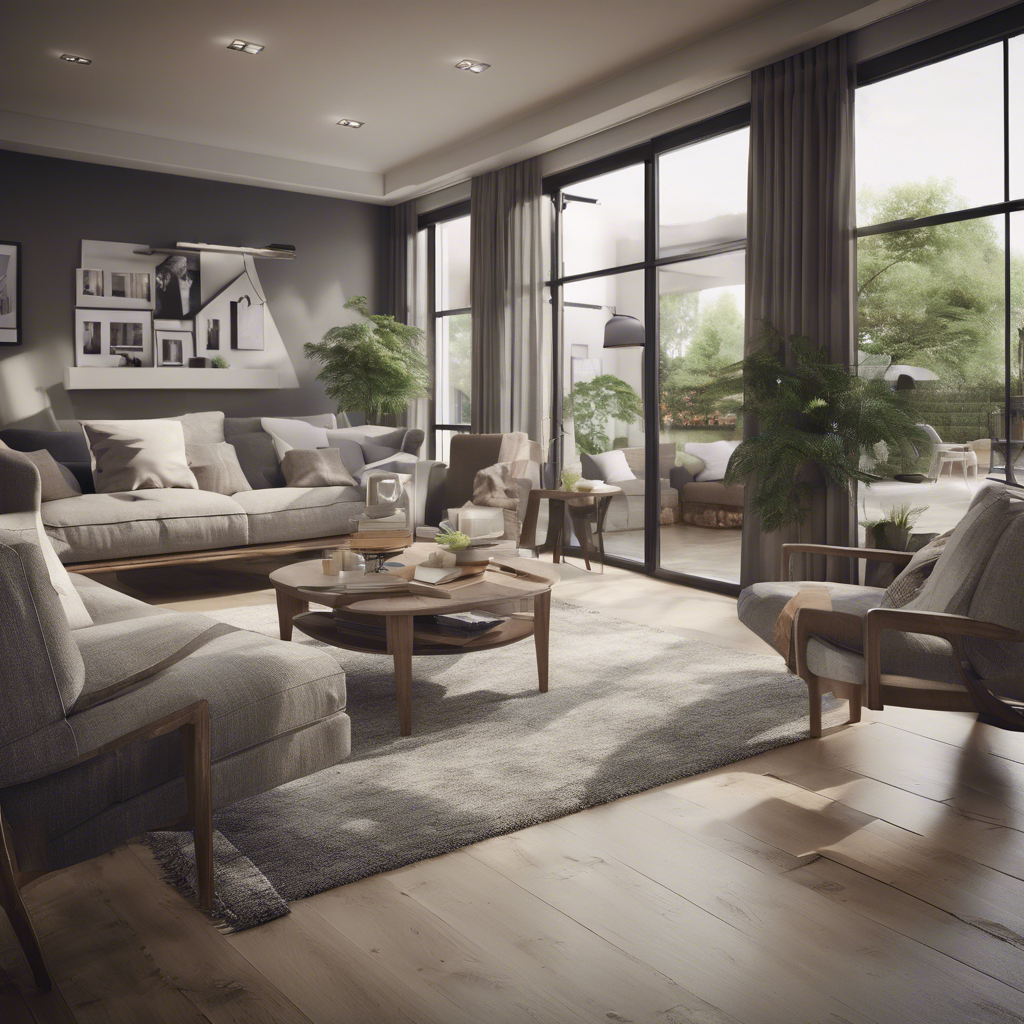
Natural light can transform a space, making it feel brighter, more spacious, and inviting. When planning your layout, consider the placement of windows and how natural light enters each room throughout the day. Positioning key living areas near windows can help you make the most of daylight and reduce the need for artificial lighting.
4. Maintain Traffic Flow
Efficient traffic flow is essential for a comfortable and practical layout. Ensure that pathways are clear and unobstructed, especially in high-traffic areas such as the kitchen, hallways, and entryways. Consider the placement of furniture and avoid overcrowding to allow for easy movement between spaces.
5. Balance Openness and Privacy
Finding the right balance between an open layout and privacy is crucial for creating a harmonious home design. Use elements such as room dividers, furniture arrangement, and strategic lighting to define private spaces within an open floor plan without compromising the overall sense of space and connectivity.
6. Incorporate Storage Solutions
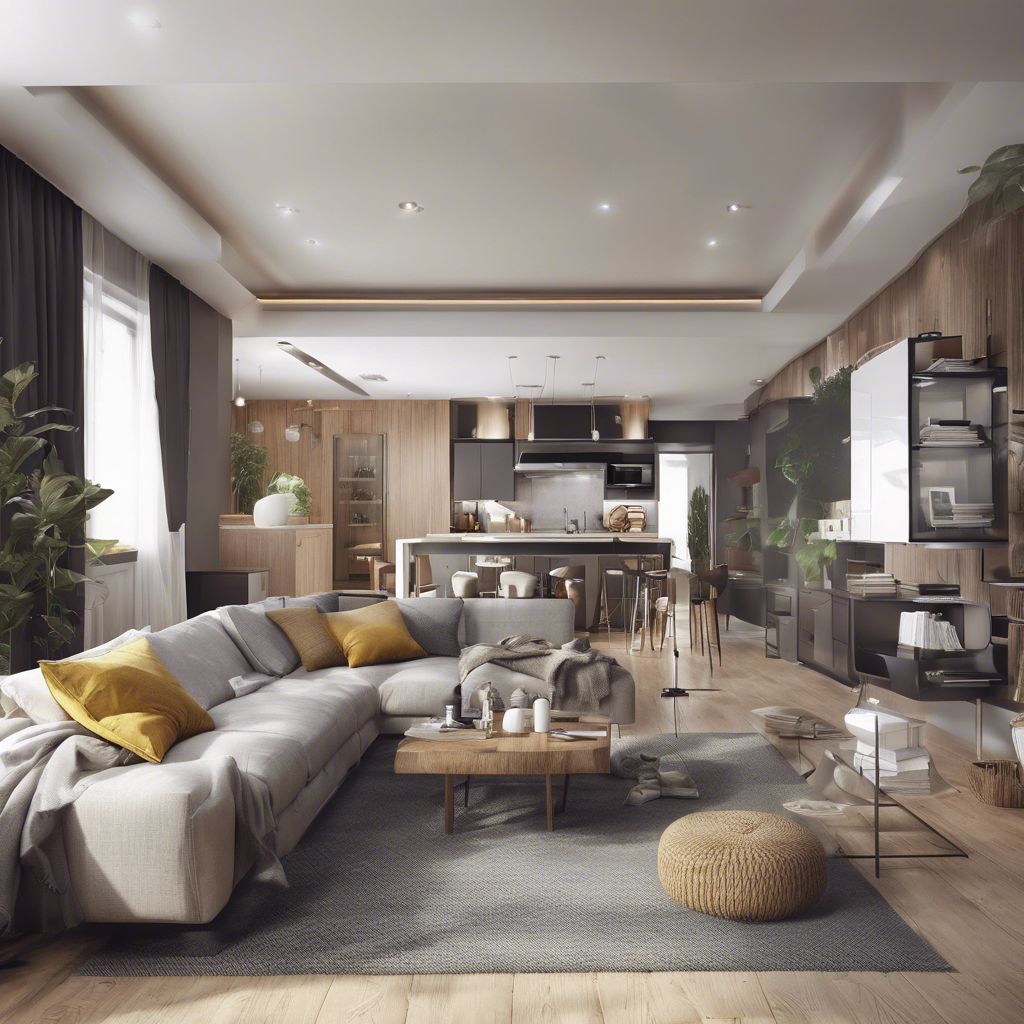
Effective storage is key to maintaining a clutter-free and organized home. When planning your layout, integrate smart storage solutions such as built-in cabinets, hidden drawers, multipurpose furniture, and vertical storage to maximize space and keep belongings neatly stowed away.
7. Personalize with Style and Décor
Infuse your personality and style into your home's layout through thoughtful décor choices and design elements. Experiment with color schemes, textures, furniture styles, and decorative accents to create a space that feels uniquely yours. Remember that your home should reflect your tastes and preferences while also providing comfort and functionality.
In Conclusion
Designing your home's layout is a creative process that requires careful consideration of various factors to achieve a balance between aesthetics and functionality. By following these essential tips and tailoring them to your specific needs, you can create a layout that embodies your lifestyle and transforms your house into a place you're proud to call home. Happy designing!

Comments